
One of the most common questions we encounter from property owners across Somerset is whether they actually need air conditioning, mechanical ventilation, or both. It is an important distinction, because installing the wrong system — or only one when both are required — can mean spending money without solving the underlying problem.
Air conditioning and ventilation are often discussed as if they are interchangeable, but they perform fundamentally different functions. Understanding the difference is the first step to specifying the right solution for your property.
What Does Air Conditioning Actually Do?
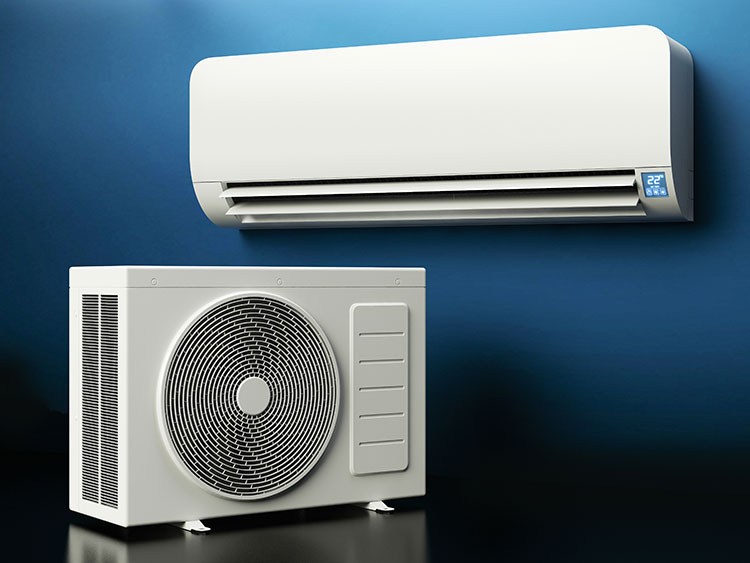
An air conditioning system controls the temperature of the air within a building. Modern split and multi-split systems operate as heat pumps, meaning they can both cool a space in summer and provide efficient heating in winter — often more efficiently than conventional gas or electric heating systems at mild outdoor temperatures.
Beyond temperature control, air conditioning systems also:
- Reduce indoor humidity, which is particularly beneficial in older Somerset properties prone to dampness during autumn and winter.
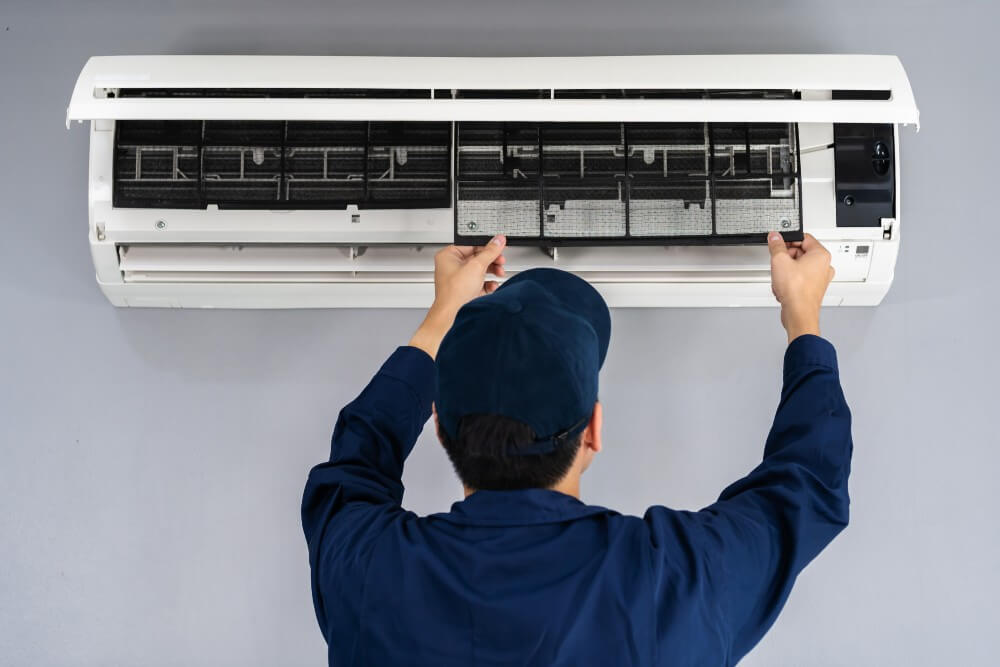
- Filter airborne particles, improving indoor air quality in homes and workplaces.
- Provide year-round comfort, removing the need for separate heating and cooling solutions in many applications.
If your primary concern is that your home or workplace is too hot in summer, too cold in winter, or uncomfortable in terms of temperature and humidity, air conditioning is almost certainly the right starting point. Our air conditioning installation services cover a full range of domestic and commercial applications across Somerset.
What Is Mechanical Ventilation and When Is It Needed?
Mechanical ventilation systems are designed to move air through a building in a controlled way. Rather than conditioning the temperature of that air, they focus on replacing stale indoor air with fresh outdoor air, whilst managing moisture levels to prevent condensation and damp.
There are several types of mechanical ventilation system used in domestic and commercial properties in the UK:
- Mechanical Ventilation with Heat Recovery (MVHR) — the most efficient domestic option, extracting warm stale air and recovering its heat energy before supplying fresh air from outside. Particularly suited to new-build and well-insulated properties.
- Positive Input Ventilation (PIV) — introduces fresh filtered air at a central point (typically the loft) to gently pressurise the property and push stale, moist air out through natural leakage points. Often specified to address persistent condensation and mould problems.
- Continuous Extract Ventilation (CEV) — extracts air from moisture-generating rooms such as kitchens and bathrooms on a continuous low-level basis, reducing humidity throughout the property.
If your main concerns are condensation on windows, black mould growth, musty odours, or persistently poor indoor air quality, a ventilation solution is likely to be more appropriate than air conditioning alone. Our home ventilation systems page explains the options available in more detail.
When Do You Need Both Air Conditioning and Ventilation?
Increasingly, both systems are needed together — particularly in modern construction and commercial premises. As buildings have become better insulated and more airtight in response to building regulations and energy efficiency targets, natural air exchange through gaps and draughts has reduced significantly. This is good for thermal performance, but it also means that purpose-designed ventilation is required to maintain healthy indoor air quality.
Scenarios where both systems are commonly specified include:
- Modern new-build homes and high-specification renovations that meet Part F of the Building Regulations, which now requires whole-dwelling ventilation in new residential construction.
- Commercial offices and public buildings, where both temperature regulation and fresh air delivery are required to meet Workplace (Health, Safety and Welfare) Regulations.
- Hospitality and healthcare environments, where air quality, infection control, and occupant comfort are all critical considerations.
- Converted or extended properties in Somerset where the original building fabric has been significantly upgraded, creating pockets of reduced natural air movement.
Our commercial air conditioning installations are frequently designed in conjunction with structured ventilation strategies to ensure that the finished system meets both comfort and regulatory requirements. Getting this combination right from the outset avoids the cost and disruption of retrofitting one system after the other has already been installed.
How to Decide What Your Property Needs
The most reliable way to determine the right combination of systems for your property is through a professional assessment. There is no universal answer — the correct solution depends on your building’s construction type, how it is used, how many people occupy it, and what specific comfort or air quality issues you are experiencing.
At Somerset Air Conditioning, our engineers carry out thorough property assessments before making any recommendations. We look at insulation levels, existing heating and ventilation infrastructure, moisture indicators, and occupancy patterns to ensure that whatever system we specify will genuinely address the problems you are facing — and continue to perform reliably for years to come.
If you are unsure whether you need air conditioning, ventilation, or both, get in touch with our team to arrange a no-obligation property assessment. We cover the whole of Somerset, including Taunton, Bridgwater, Yeovil, Frome, Wells, and the surrounding areas.